Share Emil Jacques Balthazar M.D.'s obituary with others.
Invite friends and family to read the obituary and add memories.
Stay updated
We'll notify you when service details or new memories are added.
You're now following this obituary
We'll email you when there are updates.
Select your format and elements to print

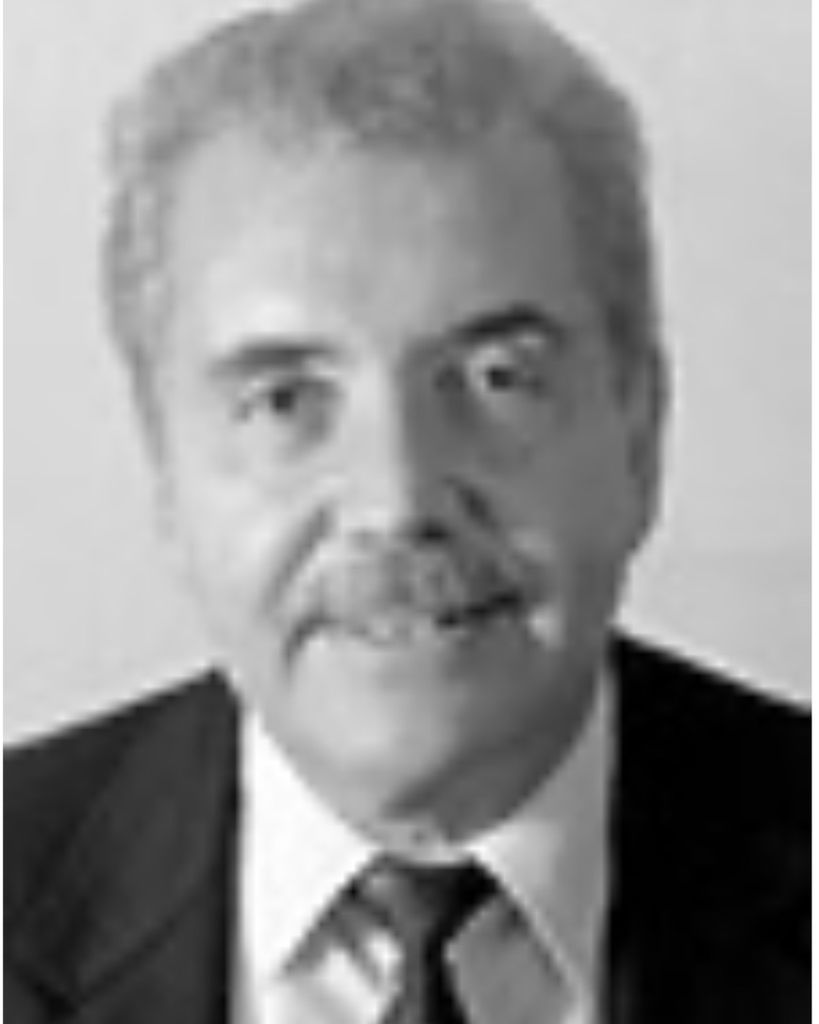


Emil Jacques Balthazar M.D.
Jan 31, 1933 — Dec 16, 2025
In Loving Memory: Emil Jacques Balthazar, MD
● (1933 – 2025)
It is with profound respect and heavy hearts that we announce the passing of Dr. Emil Jacques Balthazar, a titan in the field of diagnostic radiology, a devoted educator, and a cherished colleague. Dr. Balthazar passed away peacefully, leaving behind a legacy that fundamentally changed the way physicians diagnose and treat abdominal disease.
A Life of Academic Distinction
Dr. Balthazar’s journey in medicine was defined by an insatiable curiosity and a commitment to excellence.
● Early Education: Of Armenian descent, he was born in Bucharest, Romania, in 1933. He completed his medical degree at the Bucharest Institute of Medicine and Pharmacy in 1957.
● Immigration and Residency: After moving to the United States, Dr. Balthazar completed his residency in radiology at Downstate Medical Center – Kings County Hospital in 1967, where he quickly distinguished himself as a keen observer of anatomical patterns.
● Career at NYU: Dr. Balthazar spent the majority of his career at the New York University (NYU) School of Medicine. As a Professor of Radiology, he became a cornerstone of the department, known for his rigorous approach to film interpretation and his legendary morning "hot seat" teaching sessions.
Pioneering the "Balthazar Score"
Dr. Balthazar is perhaps most globally recognized for his groundbreaking work in the evaluation of acute pancreatitis. Before the widespread use of CT scans, assessing the severity of this condition was often a matter of clinical guesswork.
He developed the Balthazar Grade (CT Severity Index), a system that revolutionized the management of the disease. By categorizing the severity of inflammation and the presence of necrosis on a CT scan, he provided surgeons and internists with a reliable roadmap for treatment.
"He didn't just look at a scan; he read it like a biography of the patient’s illness. He taught us that the image was only as good as the mind interpreting it." — Colleague at NYU
A Renaissance Man: Chess, Opera, and the Kitchen
While his professional life was dedicated to the precision of medical imaging, Emil’s personal life was a rich tapestry of art, strategy, and flavor. He was a man of the world who found beauty in complex systems—whether on a chessboard, a stage, or a dinner plate
. ● The Chess Master: Emil was an avid and skilled chess player. He approached the game with the same analytical mind he brought to radiology—patiently deconstructing an opponent’s position and looking several moves ahead. For Emil, chess was not just a game, but a lifelong exercise in logic and mental discipline.
● A Night at the Opera: Having grown up in the cultural heart of Bucharest, Emil carried a lifelong passion for the opera. He was a frequent presence at the Metropolitan Opera in New York, where he found profound emotional resonance in the works of Verdi and Puccini. He often remarked that the grand storytelling of opera provided a necessary balance to the scientific rigors of the hospital.
● Culinary Artistry: In the kitchen, Dr. Balthazar traded his diagnostic tools for chef’s knives. He was an exceptional cook who delighted in preparing elaborate meals for friends and family. Whether recreating the flavors of his Romanian heritage or mastering classic French techniques, he approached cooking with the same meticulous attention to detail that defined his medical research.
A Mentor and Author
Beyond his technical achievements, Dr. Balthazar was a prolific researcher and mentor.
● Research: He authored over 200 peer-reviewed articles and numerous book chapters, focusing primarily on the gastrointestinal tract and the acute abdomen.
● Legacy of Learning: He trained hundreds of residents and fellows, many of whom went on to lead radiology departments across the country. He was known for his sharp wit, his demand for precision, and his deep empathy for the patients behind the images.
Biographical Note ●
Emil is survived by his nephew Gabriel Uzunian, nephew’s wife Beatriz Uzunian, his two godchildren Adrian and Mark Uzunian, and extended family, who remember him as a man of immense integrity, quiet strength, and a dry sense of humor and sharp wit. His contributions to radiology were honored with numerous awards, including the Gold Medal from the Society of Abdominal Radiology, an organization he served as President from 1998–1999.
Guestbook
Visits: 1277
This site is protected by reCAPTCHA and the
Google Privacy Policy and Terms of Service apply.
Service map data © OpenStreetMap contributors